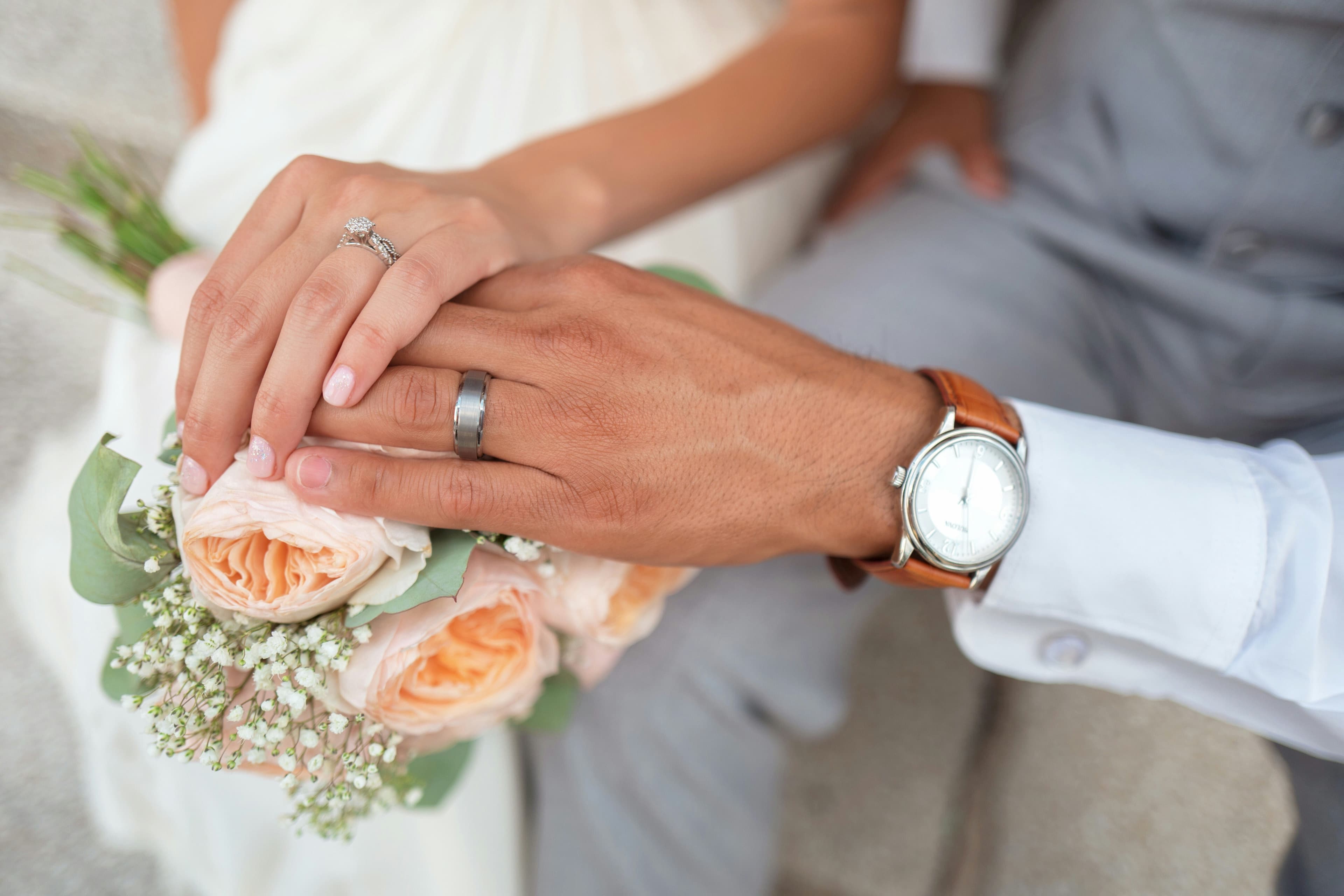
Second weddings in India are, by a clear margin, smaller, quieter, and more deliberate than first weddings. Guest lists shrink from three hundred to forty, the venue often moves from a banquet hall to a home, and the religious framework - where it persists - tends to be observed in a shorter ceremony. We spoke with five couples in their second marriages and four wedding planners across three Indian metros. The second wedding is recognisably its own genre. A short field note on what changes, what is harder, and what the room usually feels like.
What does the guest list look like the second time?
Smaller. Frequently 30-60 people instead of 300-600. The cousins who came to the first wedding are not all invited to the second; the friends are chosen rather than delegated. The parents, if they are present, are present quietly. The professional network is often absent. The school and college acquaintances are usually absent. The list is curated to the people the couple actually want in the room rather than to the people the previous wedding had obligations to.
The shrinkage is partly cost, partly fatigue, partly clarity. The first wedding is, often, a project of two families. The second wedding is, almost always, a project of two adults. The shift in authorship changes every other variable.
How does the script usually change?
Mostly the same religious framework, if there is one. The vows are sometimes written rather than recited - Partlee’s prenup track has, more than once, surfaced couples writing their own promises after working through the property and inheritance clauses. The vow that emerges from that conversation is unsentimentally specific: it names the actual commitments rather than the traditional ones, and the actual commitments tend to be more durable because they are more specific.
The ceremony itself is shorter. The first wedding is a multi-day ritual sequence; the second wedding is, frequently, a single afternoon. The photographer is often the same friend who has been photographing the family for years. The dinner that follows is shared with the people who will continue to be in the couple’s life rather than people who attended out of obligation.
What do the guests notice?
The couples we asked said the same thing: the guests laugh more. The atmosphere is steadier. The first wedding has been done before; the people in the room know what the ritual is for, and the ritual has less to perform. The performance pressure of the first wedding - the dance sequences, the speeches, the social photography - is mostly gone. What is left is the actual marriage, in its actual room, with the people who actually know.
Several couples noted, separately, that the children from the previous marriages were the most quietly observant guests in the room. The children noticed how the parents looked. The children noticed whether the parents’ new spouses were being treated as welcome or as additions. The children noticed whether the day had been organised around them or around the couple. The answers shaped how the children read the next twelve months of the new household.
What is harder the second time?
Children from earlier marriages. Where they sit. What they wear. Whether they read a passage or stand at the back. Whether their other parent is invited - and what happens if they are. Whether the new partner’s children are being treated as equivalent to the couple’s biological children. These are not problems with simple answers. The couples who handle them well tend to have decided the structure six months out, with both children consulted, and to have left the wedding day for the ceremony rather than the negotiation.
The companion piece on telling the children applies in modified form at this stage too. The principle - both parents on the same page, no contradiction in front of the child, the child not used as a messenger - extends to the new partner. The new spouse who understands the principle from the start tends to be the new spouse who builds a workable relationship with the children. The new spouse who does not understand it tends to spend years trying to fix what the wedding day got wrong.
What does the financial conversation look like?
Specific. Second marriages typically have more pre-marital assets, more complicated estate questions, more pre-existing obligations to children from the first marriage, and more clarity about how those obligations will be honoured. The prenup conversation is more common in second marriages than in first marriages, and the document is usually shorter and easier to draft because both parties have done it before.
Where one or both spouses have NRI status or assets in multiple jurisdictions, the cross-border family law track walks through the choice-of-law considerations. Second-marriage prenups in NRI households are, in our practice, the document most often requested with a deliberate timeline - three to six weeks of structured drafting rather than the rushed-pre-wedding version.
The second wedding is quieter not because it matters less. It is quieter because what is being celebrated is, by then, well-known to everyone in the room.